As engineering firms evolve from traditional consultancies to technology-enabled solution providers, what will the next generation of companies look like? We sat down with Theo Agelopoulos, VP of AEC design strategy at Autodesk, to find out.
When we look at the future of the AEC industry, what do you see as the technologies that will define it going forward?
I think that the most compelling and profound change we will see in AEC is around artificial intelligence. We’ve been on this technology journey in the AEC industry for around 30 years-plus years, going from the manual design and drafting world of CAD, then to digital CAD, which became 2D CAD. Then, we evolved into this 3D world of modelling and what that did was really transform the way people coordinate around 3D models for design and delivery and execution. Now, we’re moving to this next phase of building information modelling, which will be more outcome-based.
That shift will happen through artificial intelligence. It’s not just about how you can make decisions earlier, it’s about how you augment, analyse and automate. But it’s not about just replacing humans, it’s about shifting the low-value work that humans do to high-value work.
So, we’re in the age of the adoption and implementation of AI, but I think we’re going to move into this world of then better connecting humans to the machines and how work happens. All of this will change the way we do work and change the type of work that architects, engineers and contractors do going forward.
I think you will see a shift from leveraging AI for highly repetitive, low-value work to freeing up teams to focus on more high value, highly profitable work for the industry. This will ultimately increase capacity, which is important at a time when we have an aging workforce and limited numbers of people coming into the workforce. So, this is an opportunity to transform our industry and AI is going to be the most profound thing we’ll see going forward.
In order for AI to happen, from a technology perspective, changing the way that technology providers build technology is going to be important. We’re not just building products anymore, we have to build platforms that do a better job of managing and coordinating data, because that’s foundational to be able to use AI to do the things I mentioned above.
What about new business models? What trends do you foresee there?
We have gone from a business model perspective where technology providers provide their technology to engineering companies and those companies transact with their clients to a changing model where on the technology side, providers have shifted already to things like rental subscription business models, like the Netflix model or the Amazon Prime model.
What that did was lower the barrier to entry for a lot of firms, so instead of buying really expensive software, it became more cost effective for them to essentially pay for use. So that accelerated the adoption of digital technologies. As we move into this next phase of AI and when you completely automate, augment or analyse your workflows, those business models don’t work anymore. So, firms will start seeing more value-based business models and depending on the outcome of the work that the technology provides, firms will pay a different rate of cost based on value, not just based on time use. The other area of change is moving to more project-based pricing or value-based pricing.
We will see more of this, where engineering firms will basically negotiate not just on the contract value of the asset, but based on the outcome-based value of the asset. So, if you think about the total operating cost of an asset and you say that 10% is planning, design and construction and 80 to 90% is in operations and maintenance, if an engineering firm can drive increased value in operations in the total lifecycle cost of the asset, you would argue they should be rewarded for that value creation on the front end. I think we’re going to see more of those types of business models in how engineering companies transact or drive alternative lines of revenue.
The other area of change is that I believe we’ll see engineering companies becoming more of a lifecycle partner for their clients. They won’t just sell engineering services like designing a better bridge or building but partnering with their clients through the full lifecycle. In order to optimise the whole total cost of ownership, those clients are going to need a partner all the way through planning, design, construction and operations, thereby becoming a critical stakeholder as part of that long journey.
What new ways of working will change the industry going forward?
When you think about the many different jobs that professionals in our space do, I would say that due to automation and the usage of AI, some of the jobs we have relied on will become redundant. You could look at that as a negative or view this process as shifting from low-value to high-value work where there are going to be new adjacent jobs created as a result of blending technology with human capital. New jobs will evolve that produce higher profits, focus on quality, and free engineers up to iterate on complex engineering problems. I think you will also see traditionally error-prone rework going away as AI and computers will be able to mitigate a lot of that risk. The question for the industry then becomes what the core jobs of each of the professions will be, identifying those and the looking at what are the jobs that I need to invest in in the future, which will then determine the profile of people that I hire.
Am I going to hire a traditionally trained civil engineer, or will I need a different or additional skillset in order to augment the work that’s a core job at my firm? Then, how do I divest from those jobs that can be addressed through AI or technology and reinvest in the new wave of AI skilled engineers and continue to drive project efficiency? So, I think that’s the transformation we’re going to see from an industry perspective.

Turning to AI, where have you seen AI move beyond speeding up tasks and start changing the quality of service and expertise engineers can give?
The most obvious example where you see a lot of AI startups in AEC is probably in two or three areas. One is very early conceptual and planning. An example is where I need to place a building on a parcel of land and I need to optimise the building on the land based on multiple criteria. These could be decarbonisation, sunlight, wind analysis, or a multitude of different factors. I think we’re starting to see a lot of these multifaceted considerations where you need to weigh up multiple different inputs to get an optimised output. At Autodesk we’ve invested in products like Forma Site Design and Forma Building Design and that’s essentially what they’re doing.
It’s allowing architects or engineers to make a lot of these decisions much earlier before they get into detailed design, because it becomes more complex to make changes later in the delivery process. This is example of areas where we’re seeing use of the AI workflows. We also see it around areas like design collaboration, by allowing the model to inform you of things like clashes and conflicts much earlier, capturing that information, distributing that knowledge to different stakeholders to make those iterations much more effectively and also reducing the risk and cost of change.
I think the next area we are starting to see is generative design with early input into detailed design. This is already happening in water and in transportation. The emerging area is where we start building foundation models for architecture, engineering and construction. These models can allow a different interaction for an architect or an engineer on what I would consider a generic foundation model, but then they’ll be able to load their data to tune those models to the way they work. So, we’re moving into this next era of foundation models that are industry-based, not text-based.
Do you think that AI will lower the barrier for junior engineers to contribute meaningfully. What does that look like in firms using Autodesk tools well?
The short answer is yes. We see AI doing two things. One, it’s going to reduce the onboarding of engineers to use technology because AI will be basically giving them real-time recommendations and feedback on how to optimise the use of the technology they’re using. If you think about the investment firms make to get a junior engineer up to a certain level of a competency, AI will help to reduce that timeline. And then there’s the competency of using the technology and applying their learned skills, whether you’re a civil engineer or a mechanical engineer or an electrical engineer.
Thinking about all these learned theories and fundamentals, the challenge is putting them into practice. When AI is guiding you how to apply those theoretical applications into practical applications, it will make a lot of these young engineers more productive sooner and opens the opportunity for them to think outside the traditional box. Inevitability, the role of the human will shift, but how humans and technology will work together will need to be hand and hand.
If you think about the next level of engineer above the junior engineer, AI is going to allow them to check that work much faster and with a reduced level of errors speeding up time to delivery. The whole process ends up making the junior engineer more productive sooner with the technology they use, it optimises the work of the more senior engineer managing that junior engineer and everything improves in this new world of AI.
How is Autodesk helping firms monetise AI capabilities, rather than just absorbing them as greater internal efficiencies?
There’s a couple of things that we’re doing to support firms. We want our customers to optimise their work so that they can make more profit, but we also believe that the industry needs to shift to a more value-based business models to see it fully realised in practice. These things have to happen concurrently. Collectively as an industry, we need to convince clients to shift their mindset and pay for value. Whether they pay the value based on project percentages or whether they’re based on outcomes, that’s the transformative part of the industry we need to change.
I think the second thing we’re doing is building platforms at Autodesk that allows our customers to better manage their data, leverage AI and then even build on top of our platform like creating their own agents to fit their needs. We recognise the core of platform as critical in order for the industry to not just automate, optimise and augment the work, but to scale their business and to also to potentially monetise their agents in the marketplace.
Think of the marketplace in very simple terms, like an Apple store. A firm can build an agent that solves a very specific problem that they could then put in the marketplace and even monetise that IP. There’s the way that they use Autodesk technology to improve their margins, drive different business models with their clients, but then the potential, to even monetise their own IP. This is reflective of the shift in the business model strategy showcasing outcome-based value to their clients. If you think about the services that an engineering company will provide in the future, they’re going to continue delivering a product to their clients, but that product is going to be the intellectual property that they have to do these certain types of jobs.
As I said earlier, we see the engineering firm being a part of the ecosystem or part of the whole value chain for the owner. They could be implementing technology through that whole value chain, which allows them to monetise technology completely differently than they’ve done in the past. Of course, they don’t have to be a software company to do that, because we want to deliver platforms for them.
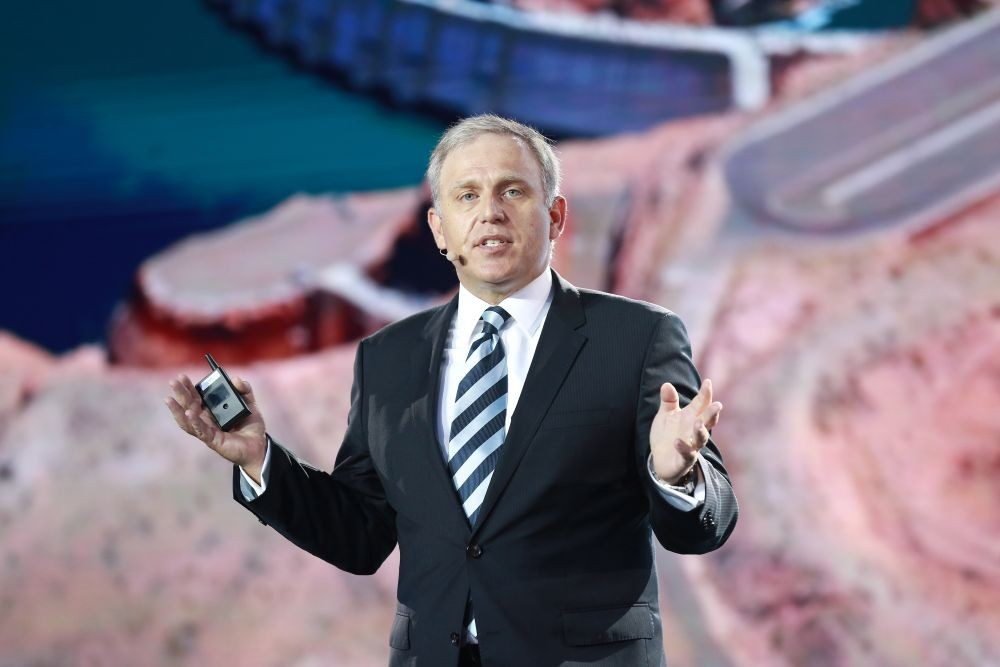
Theo Agelopoulos is the vice president, AEC design strategy, at Autodesk. He will be speaking at the FIDIC Global Leadership Forum event in Athens on 16 April 2026 in a session entitled Firm of the Future: From Predictions to Practice.