Fluor to provide engineering, procurement and construction management services for key refinery expansion project in Australia.
Fluor Corporation’s mining and metals business has been awarded a joint venture contract with Hatch to perform engineering, procurement and construction management for resource company BHP’s proposed Olympic dam smelter and refinery expansion project in South Australia.
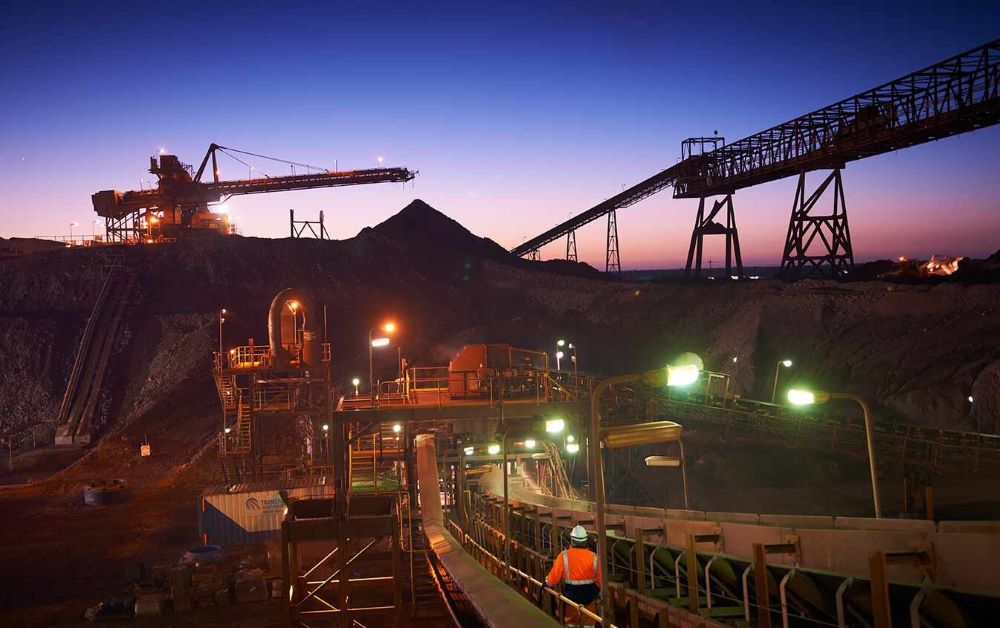
Located 560 kilometres north of Adelaide, South Australia, Olympic Dam is part of BHP’s Minerals Australia operation, comprising underground and surface operations and operates a fully integrated processing facility from ore to metal. It is located on the traditional lands of the Kokatha, Dieri, and Arabana people. Olympic Dam is one of the world’s most significant deposits of copper, gold and uranium.
About 20% of Olympic Dam’s revenue is from uranium, 75% from copper and 5% gold and silver. Sales of uranium concentrate are made under long-term contracts to electric utilities in Canada, USA, Japan, South Korea, China, Finland, Sweden, Belgium, France and the United Kingdom.
“We are excited to support BHP on their growth plans to increase production of refined copper cathode in South Australia,” said Harish Jammula, president of Fluor’s mining and metals business. “Accelerated expansion of the downstream processing sector is increasingly important to secure local supply of mined materials, become independent of overseas supply and drive sustainable production technologies,” said Jammula.
The project, which remains subject to final investment decision by BHP, will be executed in stages as BHP progresses towards a final investment decision on the smelter and refinery expansion, currently expected in the first half of 2027, and through to subsequent construction.
This phased strategy aims to support BHP’s assessment of the pathway to increase production in South Australia to more than 500,000 tonnes of refined copper cathode by the early 2030s and a strategy to deliver up to 650,000 tonnes of refined copper cathode from the mid-2030s.