A climate-resilient future will not be built on lowest-cost procurement models. It will need quality infrastructure designed for long-term value, says Zutari’s Ushantha O’Donnell.
Across Africa, infrastructure decisions made today will define opportunity for decades to come. Roads determine access to markets. Energy determines access to education and enterprise. Housing determines dignity and stability. The question is no longer whether we build, but how we build and whether what we deliver will still serve communities in 20, 30, or 50 years’ time.
Africa stands at a decisive moment. The continent is not destined to trail global development trends. With the right choices, it can leapfrog into a more inclusive, climate-resilient future. But that future will not be built on lowest-cost procurement models. It will be built on quality infrastructure designed for resilience, inclusion, and long-term value.
The cost of short-term thinking
Roughly 58% of Africans have access to electricity, leaving more than 600 million people without power. Even where connections exist, reliability remains fragile, particularly in rural and lower-income communities. At the same time, climate change continues to erode economic stability, costing African economies an estimated 2-5% of GDP annually. Adaptation alone requires between $30bn and $50bn each year.
Globally, disasters destroy between $732bn and $845bn in infrastructure annually, with a significant share borne by low- and middle-income countries. When infrastructure fails, it is not only assets that are lost. Livelihoods, dignity and opportunities are compromised.
The cheapest infrastructure today often becomes the most expensive tomorrow.
Redefining value: Resilience and inclusion first
The true measure of infrastructure is not its initial price tag but its enduring impact. Across the continent, projects that integrate resilience and social inclusion create multiplier effects that extend far beyond their footprint.
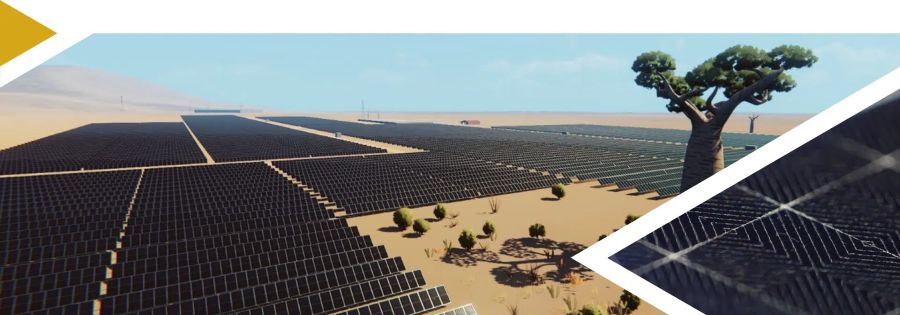
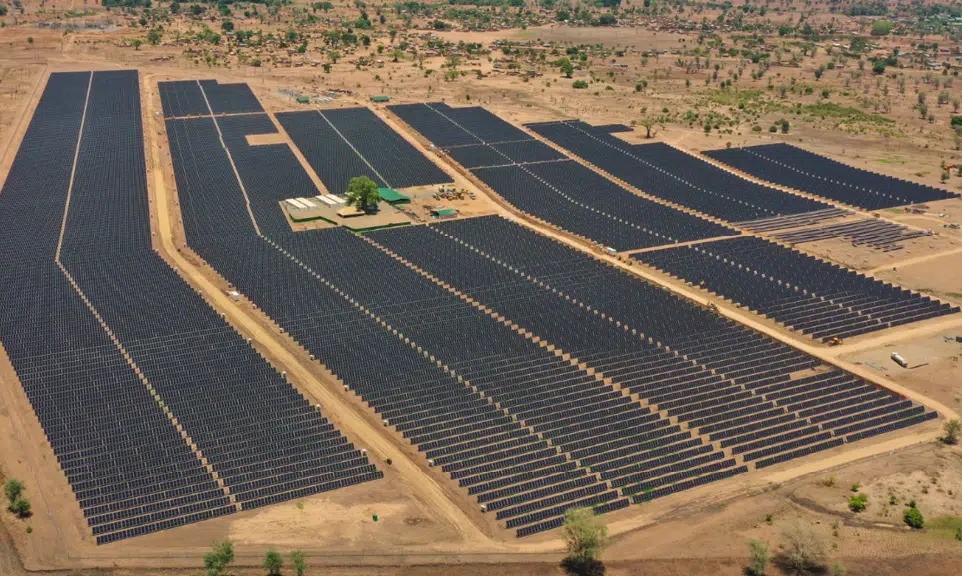
In the Western Cape, small fishing harbours are being strengthened to withstand intensifying coastal storms while protecting the livelihoods of local fishing communities. In Malawi, solar PV plants expand access to clean energy, reducing reliance on fossil fuels and enabling small businesses to thrive (see image above). In Gauteng, social housing demonstrates how well-designed infrastructure can foster dignity, social cohesion and economic mobility through thoughtfully engineered public spaces.
These are not isolated case studies. They are proof points that resilient infrastructure catalyses local economies and strengthens communities.
Engineering with empathy
Delivering this kind of impact requires more than technical excellence. It demands collaboration with communities, alignment with frameworks such as the UN Sustainable Development Goals and the African Union’s Agenda 2063, along with a commitment to lifecycle value rather than capital expenditure alone.
Resilient infrastructure is not over-engineered infrastructure. It is infrastructure calibrated to Africa’s climate realities, demographic pressures, and economic aspirations.
A call for collective leadership
Africa requires an estimated $1.3 trillion annually to meet its development goals, including at least $50bn dedicated to climate adaptation. Securing that investment demands confidence that projects will endure under environmental and economic stress.

Governments, development finance institutions, consultants and private investors must therefore reframe their briefs. Move beyond lowest-cost specifications. Prioritise resilience, inclusion and measurable social impact.
The opportunity before us is not simply to build more infrastructure. It is to build infrastructure that works, for people, for economies and for generations to come.
We at Zutari believe in owning that responsibility and delivering with that purpose. Because communities cannot afford to wait. We often say: “Own it, get it done, because communities can’t wait”. It is more than a slogan. It is a response to the urgency of Africa’s infrastructure reality.
Ushantha O’Donnell is commercial lead at infrastructure, engineering and advisory practice Zutari.